
#Safety Sunday: Building an Emergency Kit on a Budget
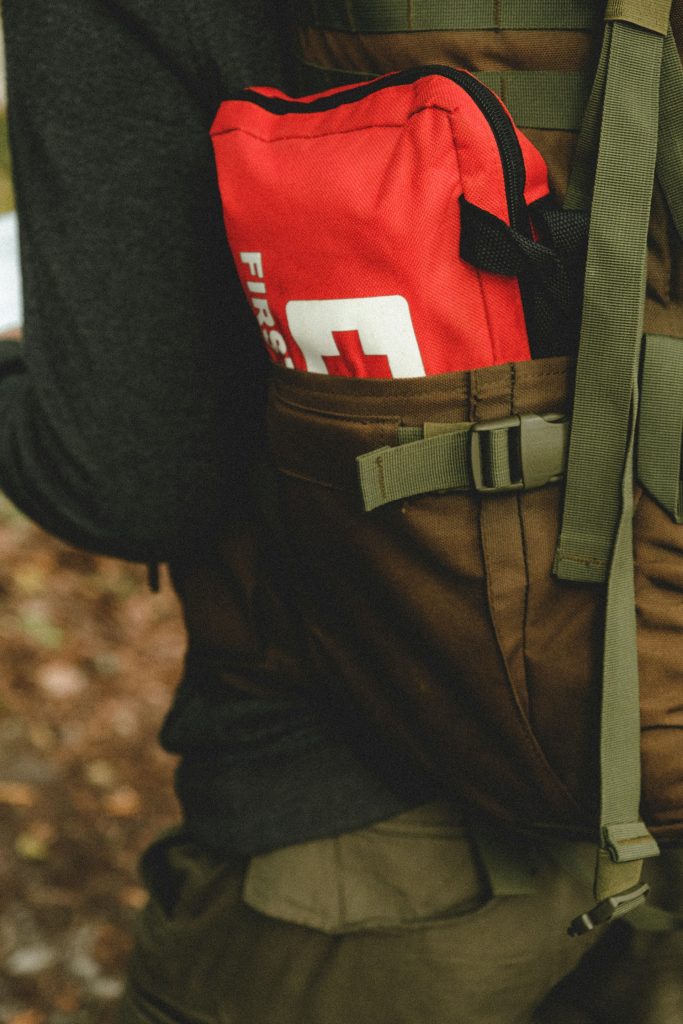
When an emergency happens, being prepared can make all the difference. Whether it’s a power outage, a severe thunderstorm, flooding, or another unexpected event, having an emergency kit ready can help keep you and your family safe.
The good news? You don’t need to spend hundreds of dollars to be prepared. Building an emergency kit can be done gradually and on a budget.
Start Small
Many people put off creating an emergency kit because they think they need to buy everything at once. Instead, consider adding one or two items each time you go grocery shopping. Over time, your kit will grow without putting extra strain on your budget.
Even setting aside $5 or $10 each week can make a big difference.
Emergency Kit Essentials
A basic emergency kit should include enough supplies to help you and your family for at least 72 hours.
Some essentials include:
- Bottled water (about two litres per person, per day)
- Non-perishable food such as canned goods, granola bars, peanut butter, crackers, dried fruit, and canned tuna or beans
- A manual can opener
- Flashlights
- Extra batteries
- A first aid kit
- Necessary prescription medications
- A battery-powered or hand-crank radio
- Phone charging cables and a portable power bank
- Personal hygiene items
- Blankets or sleeping bags
- Extra clothing and sturdy shoes
- Important documents stored in a waterproof folder
Don’t forget your pets. Set aside food, water, medications, and any supplies they may need as well.
Save Money While You Prepare
Preparing doesn’t have to mean buying everything brand new.
Here are a few ways to stretch your budget:
- Shop dollar stores for flashlights, batteries, storage bins, and hygiene products.
- Watch for grocery sales on canned foods and bottled water.
- Use coupons and loyalty points when purchasing emergency supplies.
- Repurpose a sturdy backpack, tote, or plastic storage bin instead of buying a specialized emergency bag.
- Rotate food items before they expire by using them in your regular meals and replacing them during your next shopping trip.
Keep It Accessible
Store your emergency kit somewhere that is easy to access and make sure everyone in your household knows where it is.
If possible, keep a smaller emergency kit in your vehicle with items such as bottled water, snacks, a flashlight, jumper cables, a blanket, and a first aid kit.
Make a Family Emergency Plan
An emergency kit is only one part of being prepared.
Take a few minutes to discuss:
- Where your family will meet if you need to leave your home.
- Who to contact if family members become separated.
- Emergency phone numbers.
- Alternate routes if roads are closed.
- How you will communicate if cell service is unavailable.
Practicing your plan once or twice a year can help everyone feel more confident during an emergency.
Community Makes a Difference
Emergencies can be especially challenging for people living on a fixed income, seniors, newcomers, or families already struggling to make ends meet. Preparing ahead of time can help reduce stress when the unexpected happens.
If you or someone you know needs help finding local community supports, food programs, financial assistance, housing resources, or other essential services, dialing 211 connects you with trained specialists who can help you find the services available in Bruce and Grey counties and across Ontario.
Being prepared doesn’t have to happen overnight. Start with one item, one shopping trip, or one small step at a time. Every addition to your emergency kit helps you become a little more ready for whatever comes next.
Learn More
For more information on emergency preparedness, visit Public Safety Canada’s emergency preparedness resources:
https://www.getprepared.gc.ca/
