Our Mission, Mandate & More
United Way of Bruce Grey board members are charged with making important decisions and carry the responsibility for the actions of the organization. They make informed decisions based on access to current and historical information about the organization. Attendance at meetings is essential for understanding the current issues and sharing opinions
Mission Statement of the United Way: To meet unmet needs in Bruce and Grey Counties by mobilizing volunteer and financial resources in the common cause of caring.
Mandate of the United Way:
The United Way is an autonomous organization, which builds upon the strength of volunteers and voluntary action by engaging the whole community for the benefit of the whole community. Governed by a local Board of Directors along with other volunteers and staff, the United Way helps to build caring communities and respond to a broad range of human needs on a local scale.
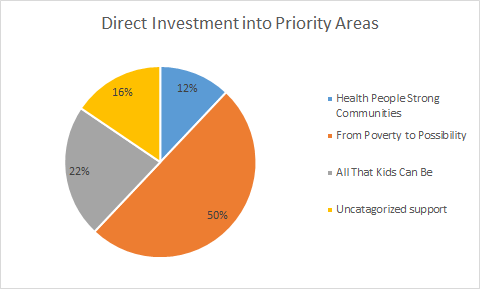
We Have 3 Priorities
From Poverty to Possibility
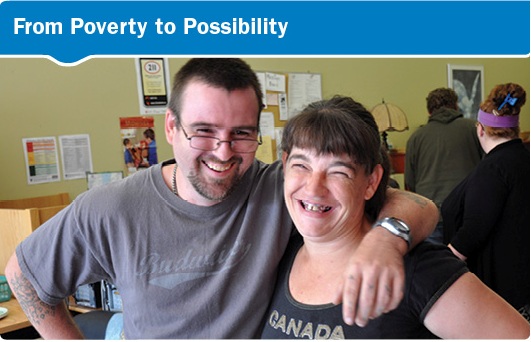
From Poverty to Possibility targets poverty, homelessness and neighbourhoods. The goal is to help people engage in their community by strengthening neighbourhood revitalization efforts, reducing poverty, and improving access to affordable housing.
Healthy People, Strong Communities
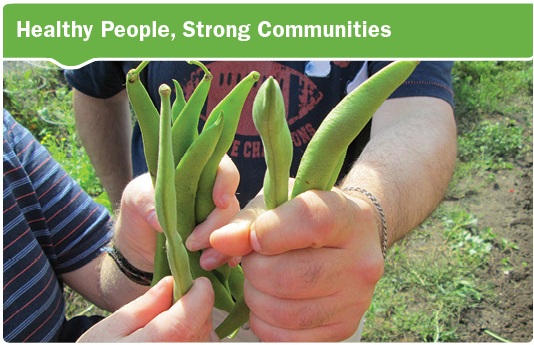
Healthy People, Strong Communities targets vulnerable people, people with barriers and in need of support, seniors and victims of violence and abuse. The goal is to improve opportunities for people to access programs and supports that empower them to overcome barriers, build resilience, reduce isolation and be part of a caring, inclusive community.
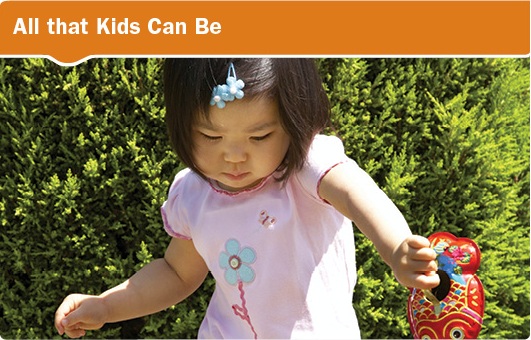
All that Kids Can Be
All that Kids Can Be targets early years, children & families and youth. The goal is to ensure children and youth are valued and supported members of the community with opportunities and resources to help them reach their fullest potential.
The United Way of Bruce Grey’s commitment to equity, inclusion, accessibility, diversity and belonging:
We do this work in relationship, not at a distance.
We recognize that many of the systems we operate within — and benefit from — have caused harm, particularly to Indigenous, Black, and other racialized and barriered communities. We are part of that history. That means our responsibility is not just to act, but to work to repair the harm.
Where we hold institutional power, we will use it intentionally to reduce these barriers.
This includes:
- leveraging our organizational structure to meet requirements that others should not have to carry alone
- creating space for community-led work to move forward within systems that were not designed for it
- using our influence to open doors, remove obstacles, and advocate for change
We commit to building relationships that are:
- led by community priorities, not organizational agendas
- rooted in trust, reciprocity, and accountability
- open to challenge, discomfort, and being changed
This means:
- Listening without rushing to respond or fix
- Following the leadership of people with lived and living experience
- Sharing decision-making power, not just inviting input
- Resourcing community-led work in ways that are flexible and sustained
- Being transparent about what we are learning, where we fall short, and how we are changing
Specifically in our work with Indigenous communities, we understand that reconciliation is not a program or a statement. It is a long-term commitment grounded in respect, humility, and the recognition of Indigenous rights, knowledge, and leadership.
We understand that reconciliation is not a program or strategy. It is a long-term relationship grounded in respect, humility, and the recognition of Indigenous rights, knowledge, and leadership.
We will be guided by the communities we work alongside. Our role is not to lead this work alone, but to stand in it differently.