
#Safety Sunday: Stay Safe in the Summer Heat
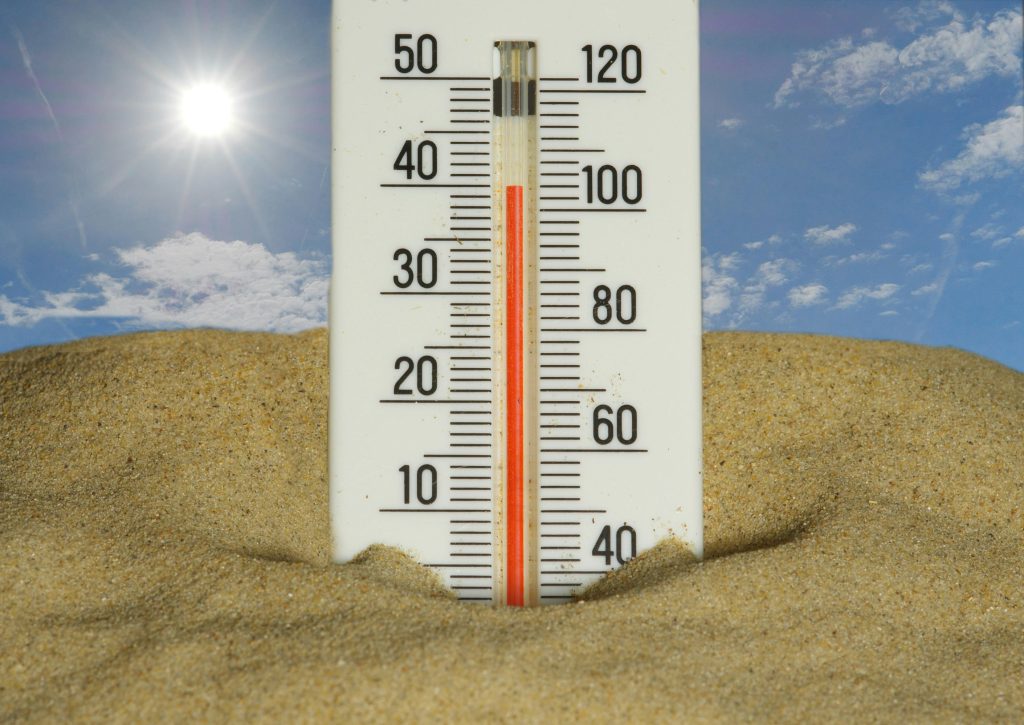
As temperatures rise across Bruce and Grey counties, spending time outdoors is one of the best parts of summer. Whether you’re heading to the beach, working in the yard, enjoying a community event, or simply taking a walk, it’s important to know the signs of heat exhaustion and heat stroke. Taking a few simple precautions can help keep you and your loved ones safe all summer long.
Know the Difference
Heat Exhaustion
Heat exhaustion occurs when your body loses too much water and salt through sweating. Symptoms may include:
- Heavy sweating
- Cool, pale, clammy skin
- Dizziness or fainting
- Weakness or fatigue
- Headache
- Nausea or vomiting
- Muscle cramps
- Fast, weak pulse
If someone is experiencing heat exhaustion:
- Move them to a cool, shaded area or an air-conditioned space.
- Encourage them to sip cool water or a sports drink.
- Loosen or remove extra clothing.
- Apply cool, wet cloths to their skin.
- If symptoms worsen or last longer than an hour, seek medical attention.
Heat Stroke is a Medical Emergency
Heat stroke happens when the body’s temperature rises rapidly and can no longer cool itself. Without immediate treatment, it can become life threatening.
Warning signs include:
- Body temperature above 40°C (104°F)
- Hot, red, dry or damp skin
- Confusion or unusual behaviour
- Slurred speech
- Loss of consciousness
- Seizures
- Strong, rapid pulse
If you suspect someone is experiencing heat stroke:
- Call 911 immediately.
- Move them to a cooler place.
- Cool them as quickly as possible using cool water, wet towels, ice packs on the neck, armpits, and groin, or a fan.
- Do not give fluids if the person is unconscious or confused.
Tips to Prevent Heat-Related Illness
You can reduce your risk by taking a few simple steps:
- Drink plenty of water throughout the day, even if you don’t feel thirsty.
- Wear lightweight, loose-fitting, light-coloured clothing.
- Take breaks in the shade or air conditioning.
- Avoid strenuous outdoor activities during the hottest part of the day, usually between 11 a.m. and 4 p.m.
- Wear sunscreen, a wide-brimmed hat, and sunglasses.
- Never leave children, older adults, or pets in a parked vehicle, even for a few minutes.
- Check in on neighbours, friends, and family members who may be more vulnerable to extreme heat.
Who Is Most at Risk?
While anyone can develop a heat-related illness, some people are at greater risk, including:
- Older adults
- Infants and young children
- People with chronic health conditions
- Outdoor workers
- Athletes
- Individuals without access to air conditioning
Know Where to Find Help
Extreme heat can be especially challenging for people who are experiencing homelessness, financial hardship, or social isolation. If you or someone you know needs help finding cooling centres, emergency shelter, food programs, transportation, or other community supports, 211 Ontario can connect you with local services. Simply dial 2-1-1, text 21166, or visit 211Ontario.ca to find free, confidential assistance available 24 hours a day.
Stay Safe This Summer
At United Way Bruce Grey, we believe strong communities are built by looking out for one another. A quick check-in with a neighbour, offering someone a bottle of water, or helping a friend find a cool place to escape the heat can make a real difference.
Stay cool, stay hydrated, and enjoy everything summer has to offer safely.
