
#Safety Sunday – Breathe Easier: How to Stay Safe When Wildfire Smoke Affects Our Air
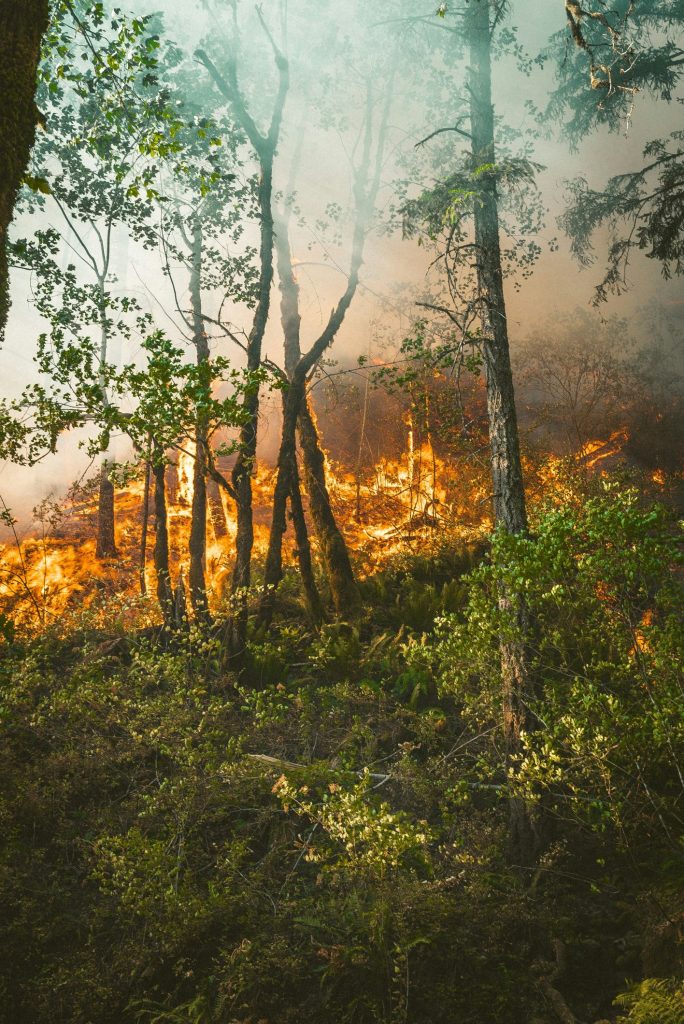
Wildfires in northwestern Ontario can have an impact far beyond the areas where the fires are burning. Smoke can travel hundreds or even thousands of kilometres, affecting air quality across much of the province, including Bruce and Grey counties. Recent wildfire smoke has led to air quality advisories in many Ontario communities, reminding us that even if we can’t see the flames, we can still feel the effects.
Poor air quality can affect anyone, but it poses a greater risk for children, older adults, pregnant people, and those living with asthma, COPD, heart disease, or other respiratory conditions. Taking a few simple precautions can help protect your health until conditions improve.
Stay Informed
Check the Air Quality Health Index (AQHI) or local weather forecasts before heading outside. Air quality can change throughout the day, so staying informed helps you make safer decisions about outdoor activities.
Limit Time Outdoors
When air quality is poor:
- Reduce outdoor activities, especially exercise or strenuous work.
- If possible, reschedule outdoor events until air quality improves.
- Children should take frequent breaks from outdoor play if smoke is present.
The harder you breathe, the more smoke particles enter your lungs.
Keep Indoor Air Clean
Your home can become a safer place by reducing the amount of smoke that gets inside.
- Keep windows and doors closed when smoke levels are high.
- Use air conditioning if you have it, setting it to recirculate indoor air.
- Run a portable HEPA air purifier if available.
- Avoid activities that worsen indoor air quality, such as burning candles, smoking, or vacuuming if it stirs up dust.
Wear the Right Mask
If you must spend time outdoors during heavy smoke, an N95 respirator mask can help reduce the amount of harmful fine particles you may breathe in. Cloth masks and standard surgical masks do not provide the same level of protection against wildfire smoke particles.
Know the Warning Signs
Wildfire smoke can cause:
- Coughing
- Sore throat
- Irritated eyes
- Headaches
- Shortness of breath
- Chest discomfort
- Wheezing
If symptoms become severe, especially difficulty breathing, chest pain, or worsening asthma or heart conditions, seek medical attention immediately.
Check on Others
Some members of our community may need extra support during periods of poor air quality. Consider checking in on:
- Older neighbours
- Family members with chronic health conditions
- Friends who work outdoors
- Parents of young children
A quick phone call or visit can make a meaningful difference.
Be Prepared
Wildfire smoke events have become more common in recent years. Consider keeping a few supplies on hand:
- N95 masks
- Replacement furnace or HVAC filters
- A portable air purifier, if possible
- Necessary medications, including inhalers
- Bottled water and essential supplies if conditions worsen
Looking Out for One Another
At United Way of Bruce Grey, we know that strong communities are built by neighbours helping neighbours. During periods of poor air quality, taking care of your own health also helps protect those around you.
Stay informed, reduce your exposure when air quality is poor, and check in on those who may need a helping hand. Together, we can weather these challenges and keep our community healthy and resilient.
