
#Safety Sunday: Working Outside Around Wasps and Bees
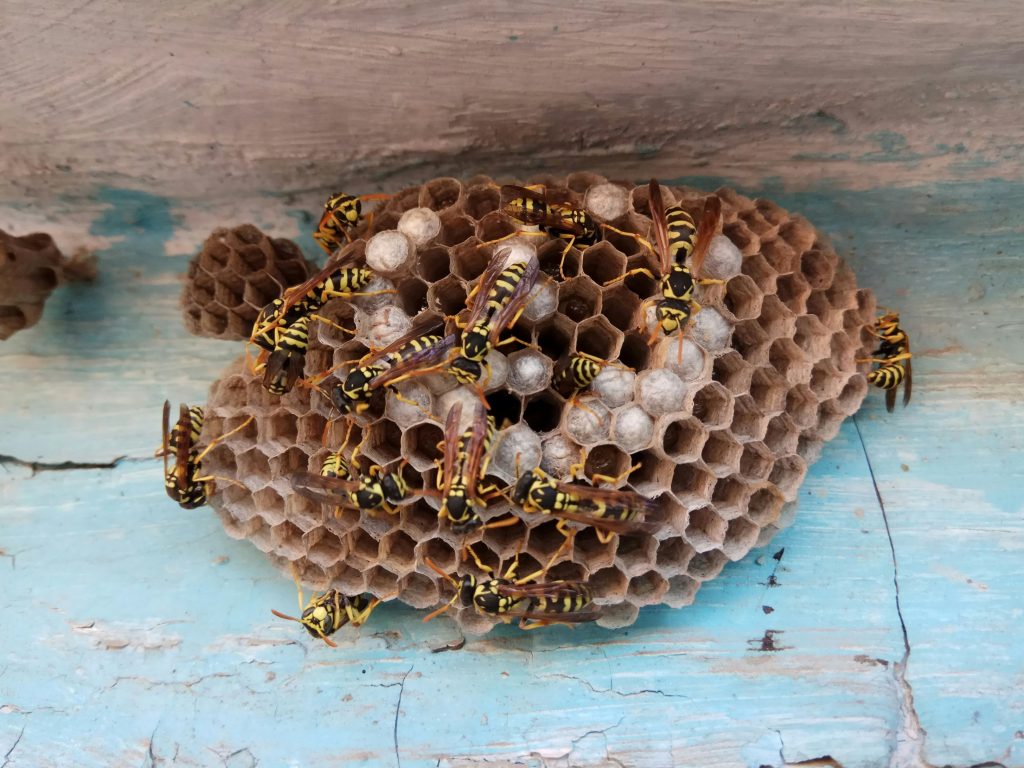
Late summer is a great time to be outside, but it is also the time of year when wasps and bees can seem to be everywhere.
Whether you are doing yard work, enjoying a picnic, working outdoors, or spending time at the cottage or campground, a little awareness can help prevent an unpleasant encounter.
Why are wasps so active right now?
By late summer, wasp colonies have grown significantly, and there are many more workers out searching for food. They can be especially attracted to sugary drinks, fruit, garbage, recycling, and food being eaten outdoors.
Nests may also be larger and easier to accidentally disturb.
Bees are active during the warmer months too, particularly around gardens and flowering plants. While bees and wasps play important roles in our environment, getting too close to a nest or accidentally disturbing them can lead to stings.
Before you start working outside
Take a quick look around the area before mowing the lawn, trimming bushes, gardening, or starting other outdoor work.
Watch for insects repeatedly flying in and out of the same location. This can be a sign of a nearby nest.
Wasps can build nests in trees, sheds, under decks and eaves, inside wall openings, and underground. Ground nests can be particularly easy to miss until a lawn mower, trimmer, or footsteps disturb them.
If you find a nest, give it plenty of space. Do not poke it, spray it casually, block the entrance, or try to knock it down.
Keep food and drinks covered
Outdoor meals are another common place for unwanted encounters.
Keep food covered when possible and clean up spills quickly. Garbage and recycling containers should also be kept closed.
Be especially careful with open cans and bottles of pop or other sweet drinks. A wasp can crawl inside without you noticing, creating the possibility of a sting to the mouth or throat.
Checking your drink before taking a sip is a simple habit worth adopting.
If a bee or wasp comes near you
Try to stay calm.
Swatting or making sudden movements can increase the chance of being stung. Move away slowly and give the insect some space.
If you accidentally disturb a nest and several insects begin coming after you, leave the area quickly and get indoors or into a vehicle if possible.
If you are stung
Move away from the area first so you do not receive additional stings.
If a stinger is visible, remove it promptly. Wash the area with soap and water, and a cold pack can help reduce pain and swelling.
Keep an eye on how the person is feeling after the sting.
Some people can experience a severe allergic reaction called anaphylaxis. Signs can include difficulty breathing, swelling of the tongue or throat, widespread hives, dizziness, or loss of consciousness.
A severe allergic reaction is a medical emergency. Call 911 immediately.
People who know they have a serious allergy to insect stings should follow their medical plan and keep their prescribed epinephrine auto-injector accessible.
Give them space
Bees and wasps are a normal part of spending time outdoors, and most encounters end without a sting.
The biggest thing we can do is pay attention.
Check your surroundings before starting outdoor work, watch for nests, keep food and drinks covered, and teach children not to disturb bees or wasps.
A few seconds of awareness can save you from a very painful surprise.
Stay aware, stay safe, and enjoy the rest of the summer.
Safety Sunday reminder: Before starting yard work today, take a quick walk around the area and look for signs of bee or wasp activity. That small check could make your Sunday a whole lot more enjoyable.
