
#Safety Sunday: Carbon Monoxide Isn’t Just a Winter Danger
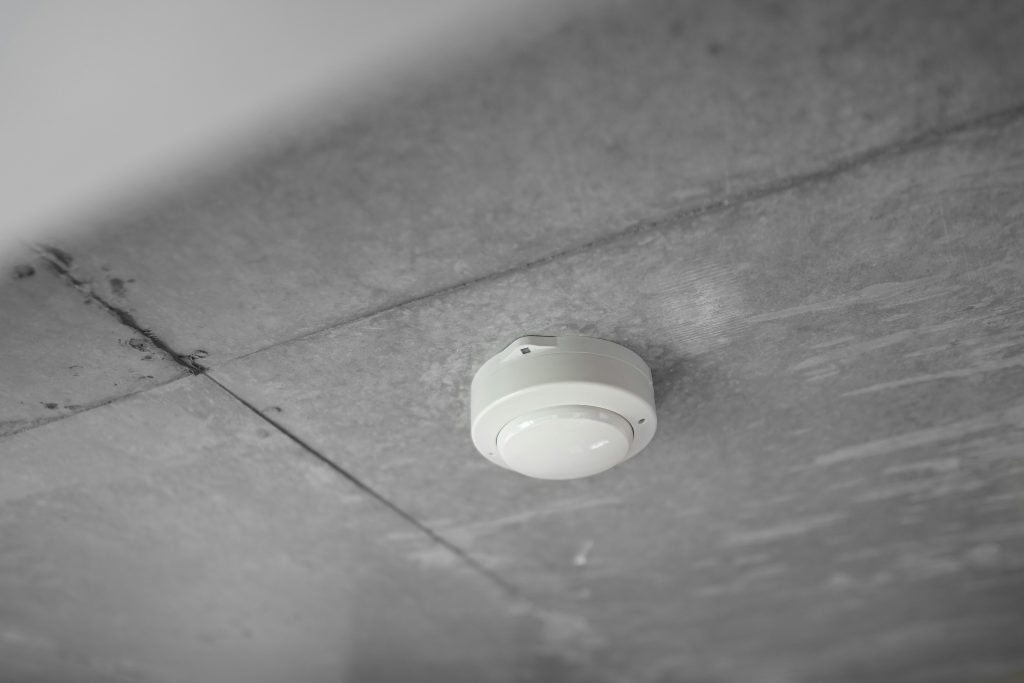
When you hear “carbon monoxide,” you might think about furnaces, fireplaces, and cold winter nights.
But carbon monoxide can be a danger in the summer too.
Carbon monoxide, often called CO, is a colourless and odourless gas. You cannot see it, smell it, or taste it, which is why having working carbon monoxide alarms is so important.
Where does carbon monoxide come from in the summer?
Anything that burns fuel can produce carbon monoxide. During the warmer months, there are several situations where CO can become a serious risk.
Generators: Power outages can happen during summer storms. Portable generators should always be operated outdoors and well away from windows, doors, and vents. Never run one inside a home, garage, shed, or other enclosed space.
Attached garages: A running vehicle produces carbon monoxide. Never leave a vehicle running inside a garage, even if the garage door is open.
Camping: Fuel-burning camping equipment, including stoves, lanterns, and heaters, should never be used inside a tent or other enclosed sleeping area unless the equipment is specifically designed and approved for that use.
Boats: Carbon monoxide can accumulate in areas around boats, particularly near engines and exhaust outlets. Be aware of where exhaust fumes are going and avoid enclosed or poorly ventilated areas where they could collect.
Barbecues: Charcoal and fuel-burning barbecues belong outdoors. Never bring a barbecue into a home, garage, tent, trailer, or other enclosed area.
Know the signs
Carbon monoxide poisoning can cause symptoms such as headache, dizziness, weakness, nausea, vomiting, chest pain, and confusion.
The symptoms can sometimes feel like the flu or food poisoning. One important clue can be when several people in the same location begin feeling sick at the same time.
If a carbon monoxide alarm sounds, or you suspect carbon monoxide may be present, get everyone outside to fresh air and contact emergency services. Do not go back inside until you have been told it is safe.
Check your alarms
Carbon monoxide alarms are one of the best ways to protect yourself and your family.
Take a few minutes this Safety Sunday to:
- Test your carbon monoxide alarms.
- Check the manufacturer’s instructions to see when each alarm should be replaced.
- Make sure alarms have not been removed, unplugged, or covered.
- Talk with everyone in your household about what to do if an alarm sounds.
Safety doesn’t take the summer off
Summer is a time for camping, barbecues, road trips, boating, and enjoying the outdoors. A little awareness can help keep those activities safe.
Carbon monoxide may be invisible, but the risk is real all year long.
This Safety Sunday, give those CO alarms a quick test. It only takes a moment, and it is one small action that can help protect the people in your home.
