
#SafetySunday – Tick Safety: What Kids, Adults, and Pet Owners Need to Know This Season
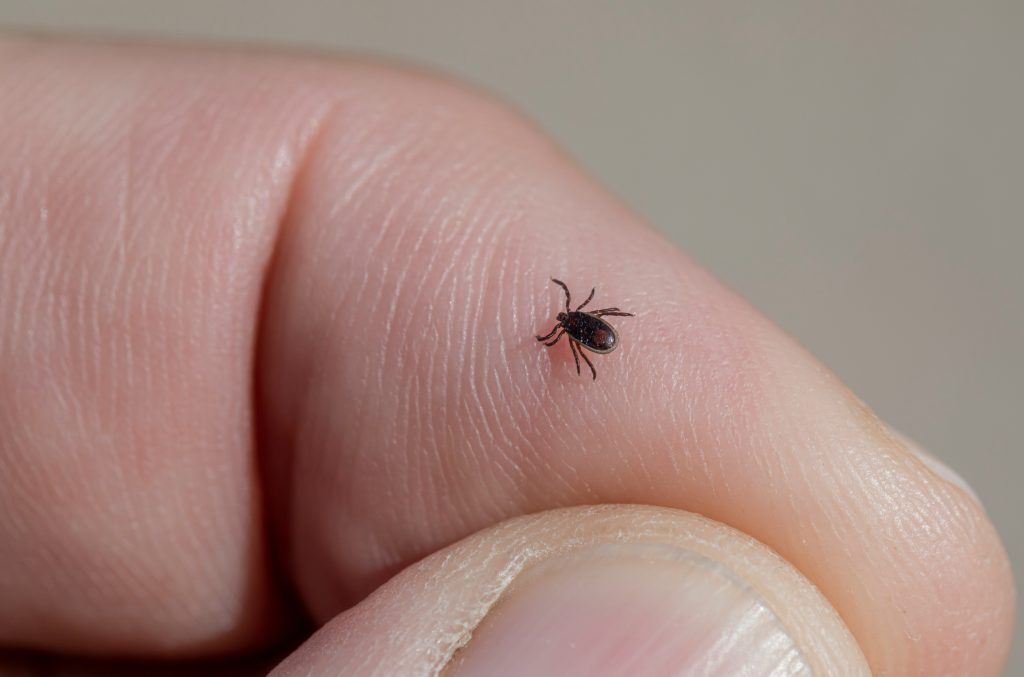
As the weather warms up, more families are spending time outdoors enjoying parks, trails, campsites, and backyards. Unfortunately, tick season is also in full swing across many parts of Canada.
Ticks are tiny parasites that can carry diseases like Lyme disease, making prevention and early removal extremely important for both people and pets. The good news? A few simple precautions can make outdoor adventures much safer.
Where Are Ticks Found?
Ticks thrive in:
- Tall grass
- Wooded areas
- Leaf piles
- Bushes and shrubs
- Overgrown gardens
- Hiking trails
They do not jump or fly. Instead, they wait on grasses or plants and latch onto people or animals as they brush past.
Tick Safety for Kids
Children are especially vulnerable because they spend lots of time playing outdoors and may not notice a tick bite.
Tips to Keep Kids Safe
- Dress children in light coloured clothing to help spot ticks easily
- Wear long sleeves and long pants when hiking or playing in wooded areas
- Tuck pants into socks when walking through tall grass
- Use insect repellent approved for children
- Encourage kids to stay on marked trails
After Outdoor Play
Always do a full tick check after spending time outside. Pay close attention to:
- Hair and scalp
- Behind ears
- Under arms
- Around waistbands
- Behind knees
- Between toes
Bathing or showering within two hours of coming indoors may also help wash away ticks before they attach.
Tick Safety for Adults
Adults often overlook tick checks after gardening, hiking, golfing, or doing yard work.
Prevention Tips
- Wear closed-toe shoes outdoors
- Avoid walking through tall grass whenever possible
- Use bug spray containing DEET or Icaridin
- Check clothing and gear before going indoors
- Put clothes in a hot dryer for at least 10 minutes to help kill ticks
Know the Symptoms
Early symptoms of Lyme disease can include:
- Fever
- Fatigue
- Headache
- Muscle aches
- Bullseye-shaped rash
If you notice symptoms after a tick bite, contact a healthcare professional promptly.
Tick Safety for Pets
Dogs and outdoor cats can easily pick up ticks during walks or backyard play.
Protecting Your Pets
- Use veterinarian approved tick prevention products
- Check pets daily, especially after walks or hikes
- Brush pets regularly during tick season
- Keep grass trimmed short around your home
Where to Check Pets
Ticks commonly hide around:
- Ears
- Neck
- Under collars
- Between toes
- Belly and under legs
Talk to your veterinarian about the best tick prevention options for your pet.
How to Remove a Tick Safely
If you find a tick:
- Use fine-tipped tweezers
- Grab the tick as close to the skin as possible
- Pull upward slowly and steadily
- Clean the area with soap and water
- Wash your hands thoroughly
Do not:
- Burn the tick
- Twist the tick
- Squeeze the tick
- Cover it with petroleum jelly
If possible, save the tick in a sealed container or take a photo in case identification is needed later.
Prevention Is the Best Protection
Ticks may be small, but awareness goes a long way. By taking a few preventative steps, families and pet owners can safely enjoy everything summer has to offer.
Whether you are heading out for a hike, gardening at home, or taking the dog for a walk, remember:
- Check for ticks
- Protect exposed skin
- Stay aware of symptoms
- Act quickly if you find one
A little caution today can help prevent bigger health concerns tomorrow.
